A Two-year Research Project Funded by National Science Challenges
The National Science Challenges were established in 2014 and aim to tackle the biggest science-based issues and opportunities facing New Zealand. The Challenges bring together …
The National Science Challenges were established in 2014 and aim to tackle the biggest science-based issues and opportunities facing New Zealand. The Challenges bring together …
Watch TEDx Pipitea 2021 live! Negin Imani talks about bridging architecture and biology, biomimicry for living buildings.
The ThBA suggests innovative thermoregulation strategies that could address opportunities for designing a new generation of buildings.
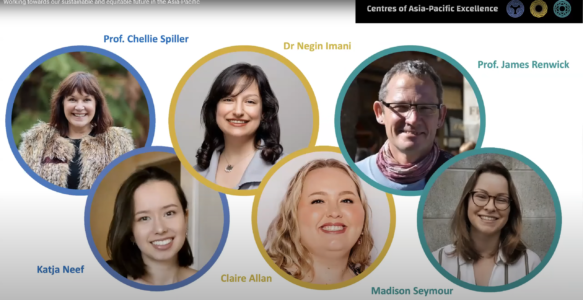
In support of the APEC Voices of the Future project, the Centres of Asia-Pacific Excellence hosted a webinar on 5 October 2021 featuring three top …
We are excited to hold the NZGBC Future Thinker of the Year 2021 Awards Evening on 13th April 2021. The awards ceremony is hosted by Huri te …
Heat generation is a characteristic of endotherms and maybe that is the reason architects are more interested in animals.
In vasoconstriction, thermal regulation happens through heat transfer between blood vessels and skin, these being the internal and peripheral tissues. Thinking of blood vessels as pipes with a fluid flow transferring the thermal energy to where it is demanded in a building, the smaller the diameter of the pipes, the less fluid will flow, and thus, the less heat will be taken away through conduction and convection, due to the temperature difference between the pipes and the adjacent surfaces.
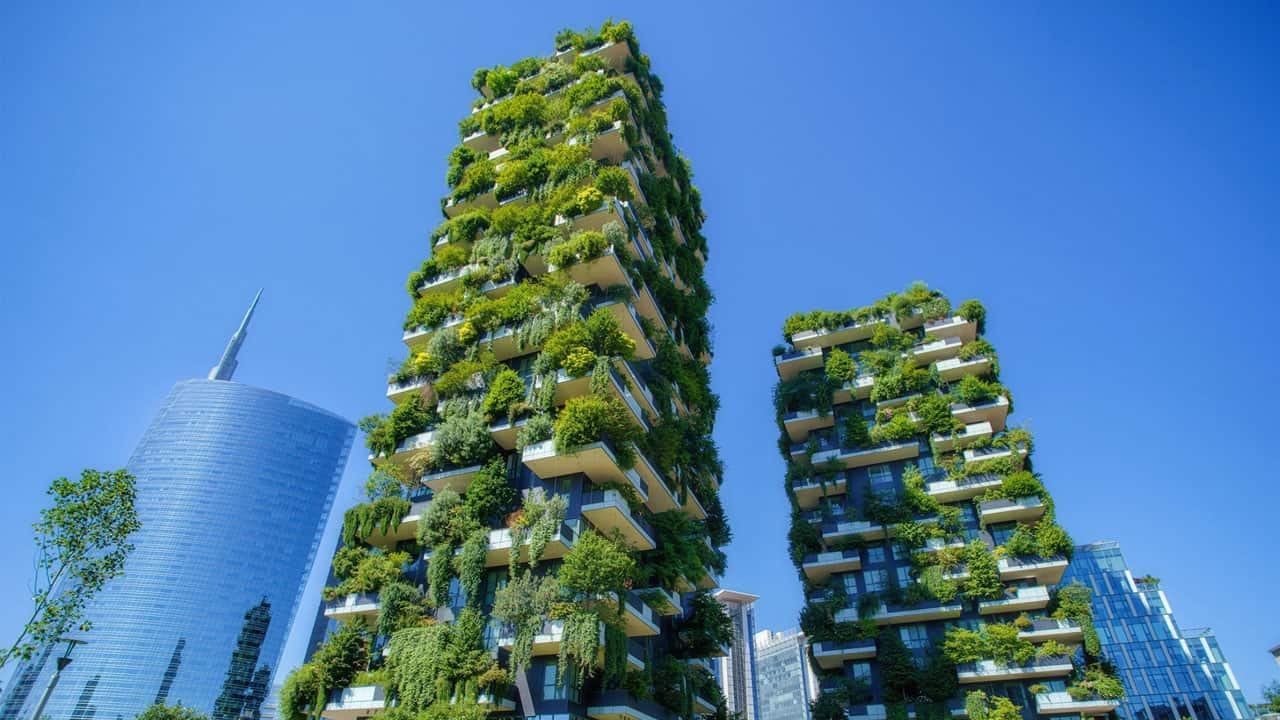
Could buildings imitate living organisms? Negin Imani has created a tool translating natural thermoregulation strategies into architectural solutions.
While several biological thermal adaptation strategies are currently translated to and employed in sustainable building design, they, represent at best a simple translation of the intricate mechanisms of thermal adaptation in nature.